
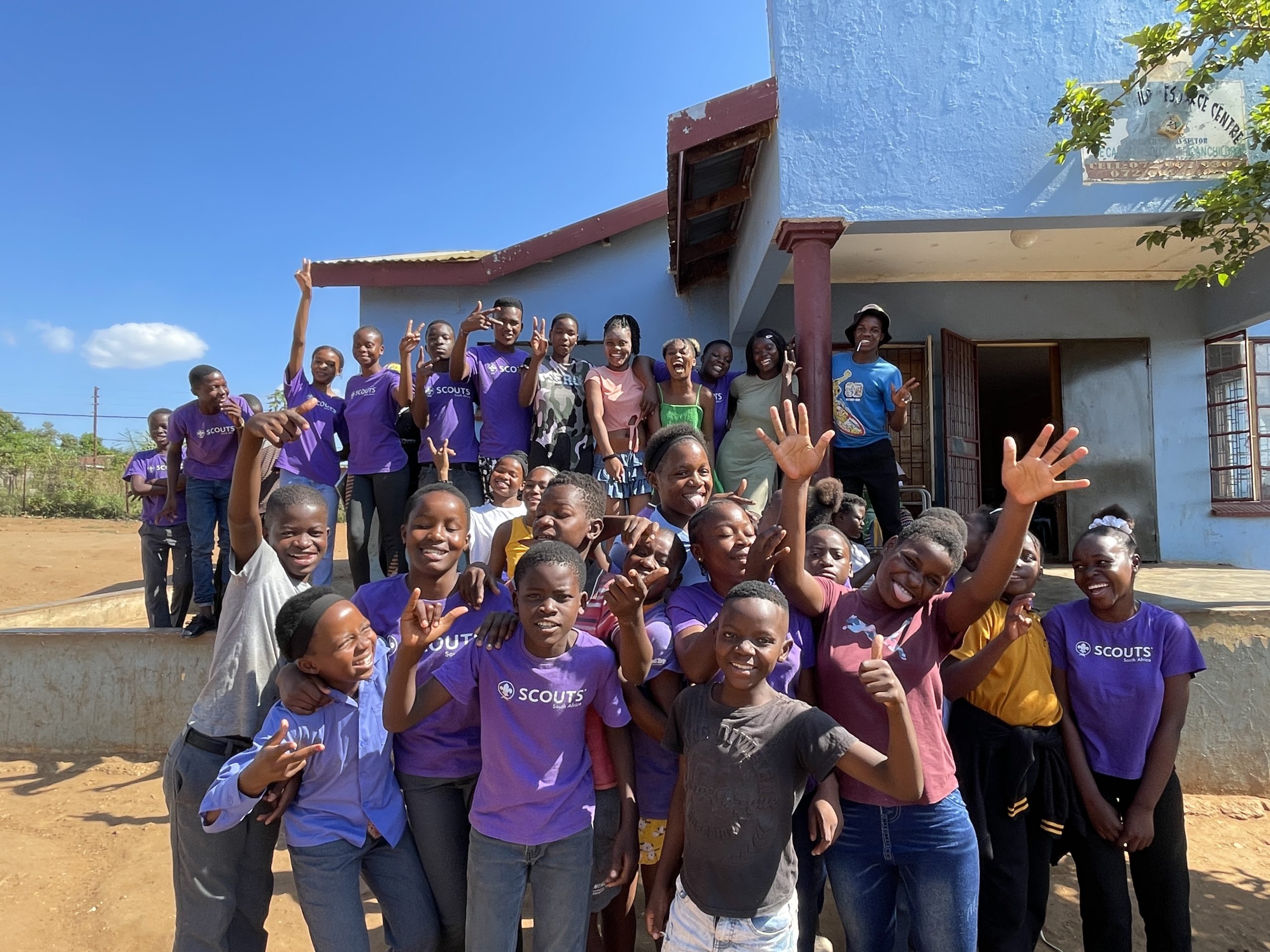
Building a Hopeful Society by Supporting Children Now
In South Africa, about 60% of the population struggles in poverty while the unemployment rate among the younger generations exceeds 50%. With 7.1 million people testing HIV-positive, by far the largest number in the world, the country continues to see “AIDS orphans” who lost their parents due to HIV/AIDS. Lacking fundamental support from adults in the communities, such children from poor backgrounds in rural areas like Limpopo face lots of challenges in their daily lives, even just in securing food. JVC helps such orphans and vulnerable children (OVCs) through supporting a facility called the Drop-in Center (DIC), a publicly operated space run by care volunteers, a group consisting mostly of women in the community.
Activities in 2023
Training to improve the quality of care
HIV literacy and governance training was provided for eight care volunteers in order to improve the DIC’s program activities. Counseling training was also provided for 30 parents. In addition, empowering leadership and life skills training was provided to 126 teenagers attending the DIC. Moreover, governance training was conducted for care volunteers to strengthen the organizational infrastructure to continue the DIC’s activities in the future. Lastly, JVC built a computer hall to solve the lack of space for indoor activities.
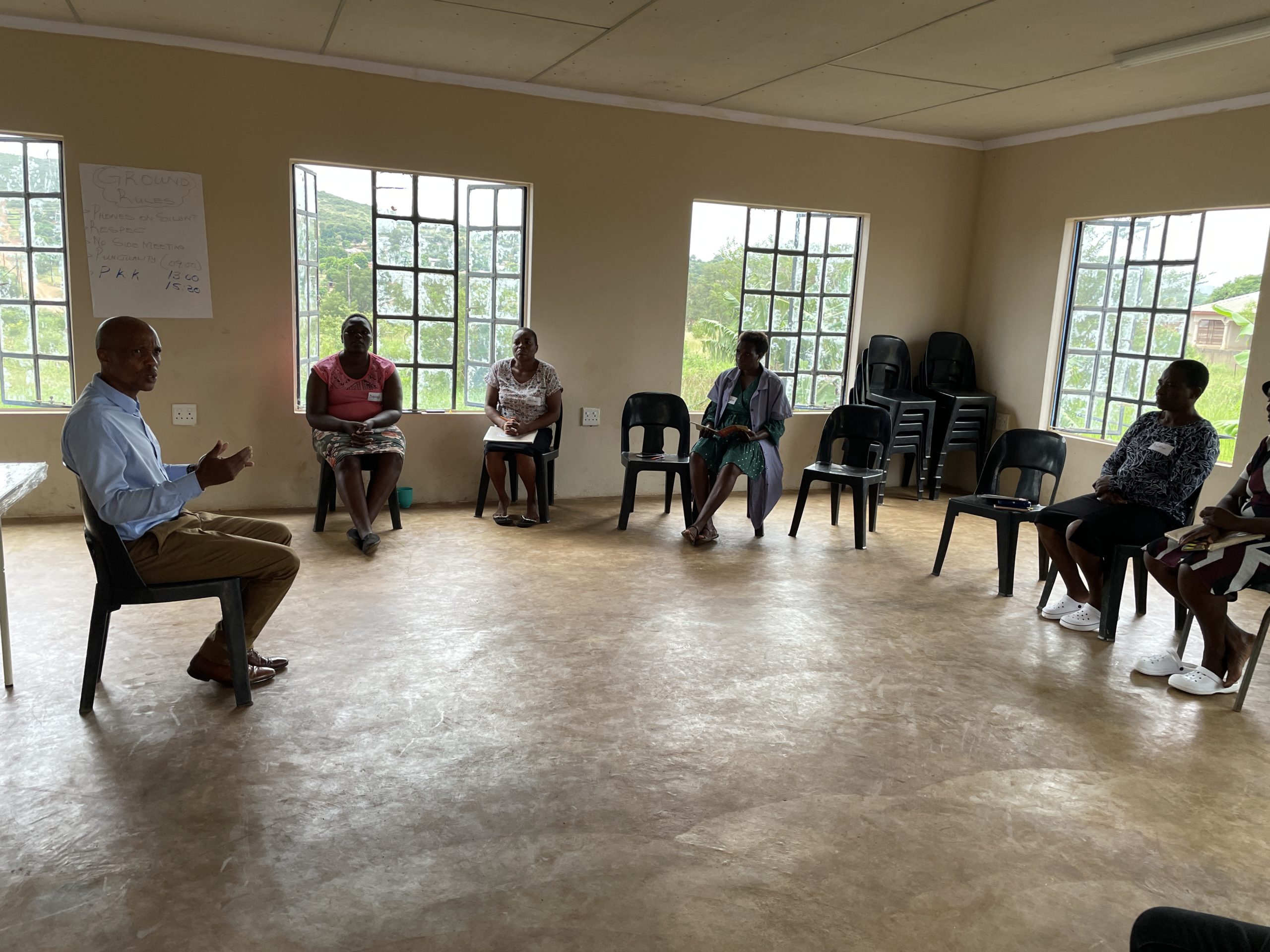
Care volunteers in HIV/Aids literacy training
Permaculture
To ensure that OVCs have a stable diet, we continued to develop vegetable gardens on the DIC’s premises while providing training for care volunteers and youths. Care volunteers with experience in permaculture were trained in teaching skills so that they could spread the skills to parents and youths in the community. Forty-five OVCs participated in a separate permaculture training on their own, as well as practicing the skills either in their home gardens or in the DIC garden. Most participants now grow two or three kinds of vegetables at home.
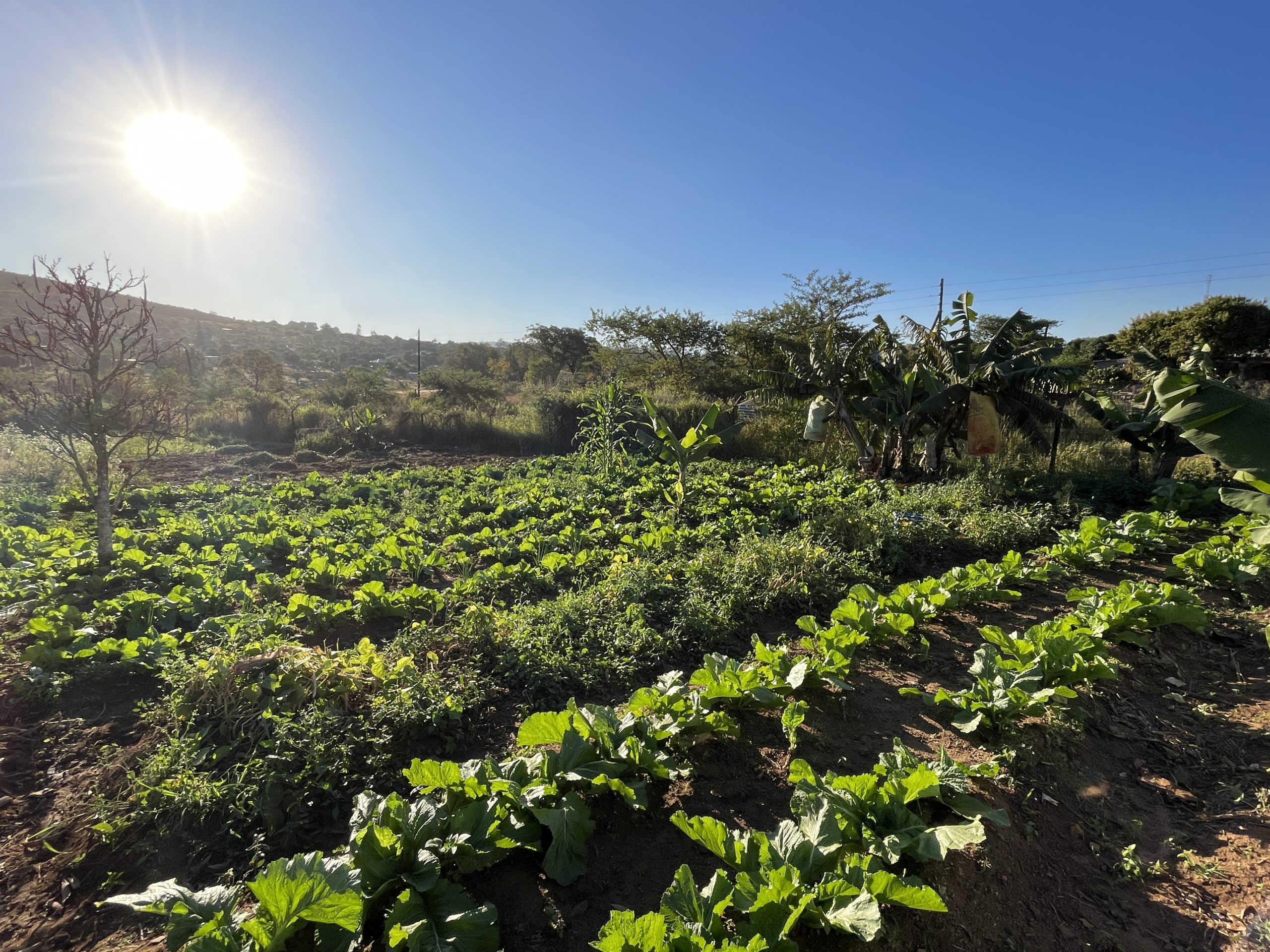
The vegetable garden in Mphego DIC
Agreements for the statements by other NGOs and networks
Results & Challenges
The number of participants increased and care support for OVCs improved
The number of OVCs who daily attend the DIC is now nearly 250. Changes in the attitude and behavior of the youths were observed through counseling and other services provided by the carers. This included a change in the OVCs’ attitudes towards schoolteachers and parents in which they stopped committing violent behaviors. In addition, permaculture has become an established activity at the DIC where the harvest of multiple vegetables, beans, and maize has enabled the DIC to continue to provide lunch.
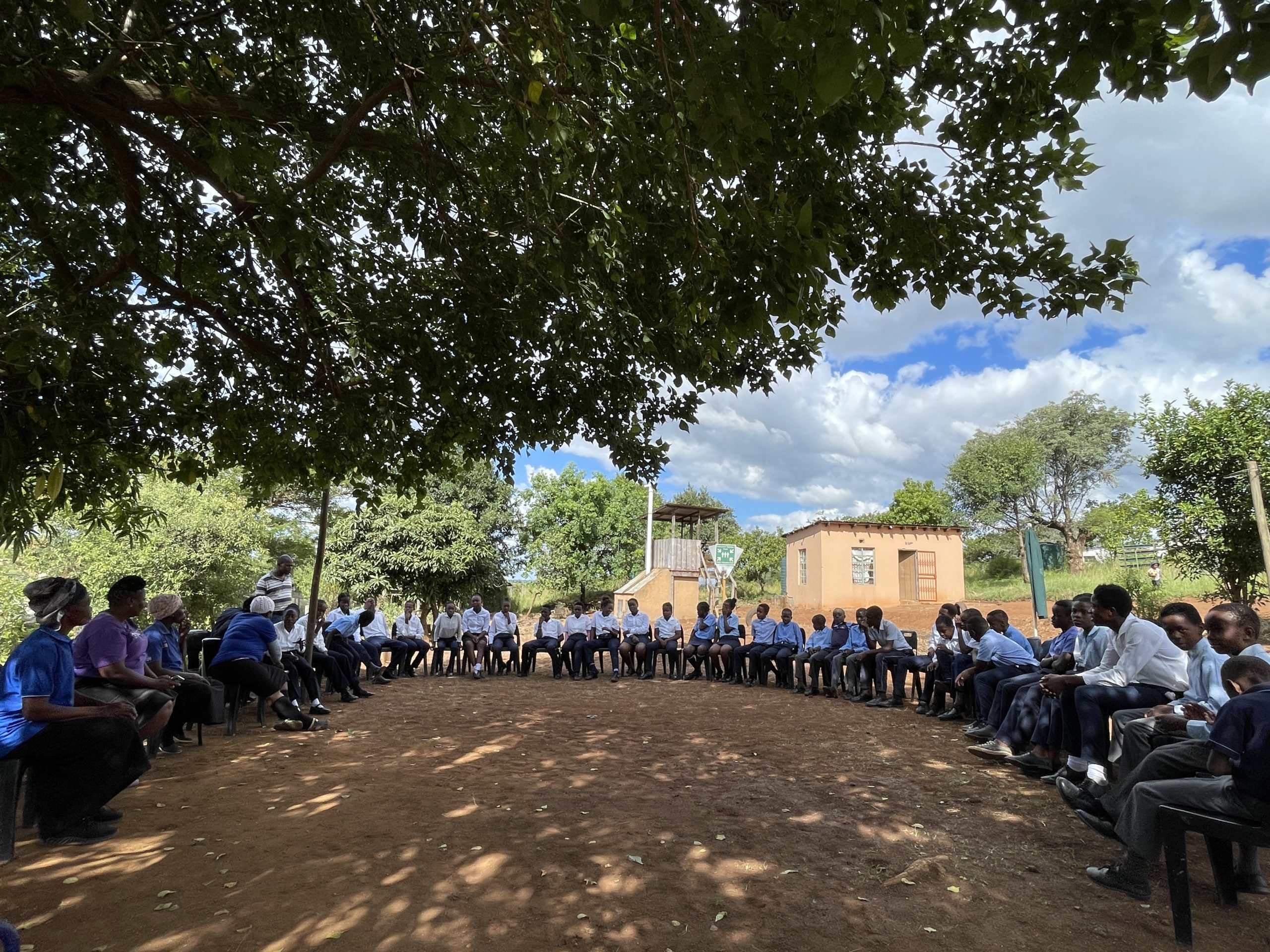
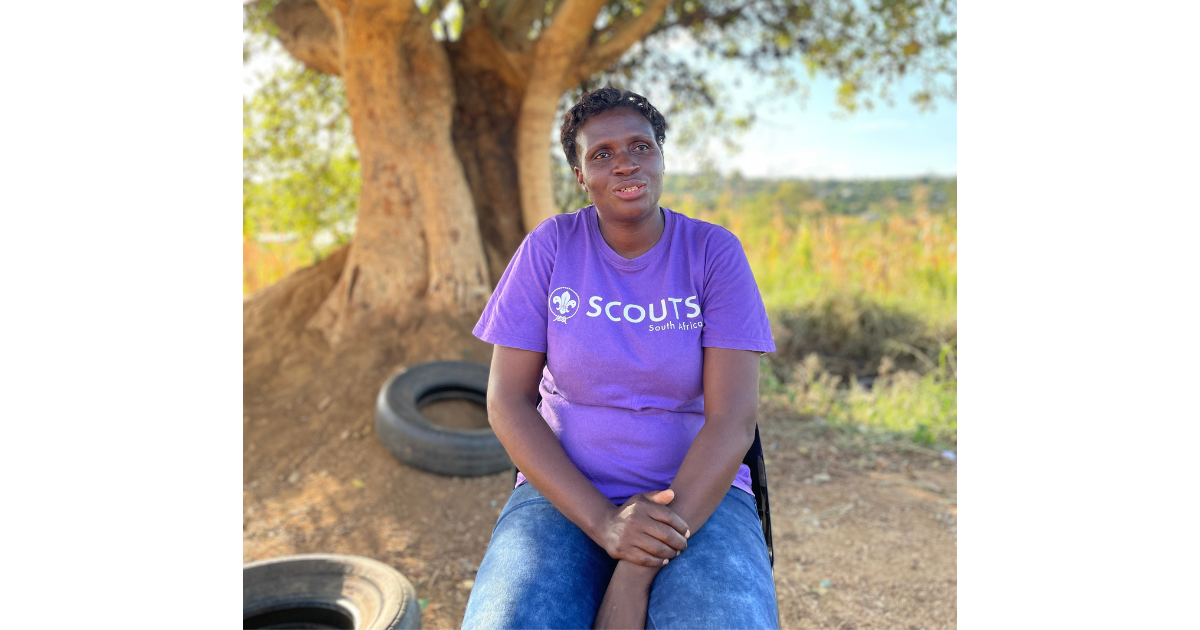
OVCs in Scout
Activity Plan for 2024
JVC’s withdrawal and handover to Building Tomorrows Hope
Based on the results of the above activities, the program was concluded in May 2024. This marks the end of the JVC South Africa project, which started in 1992 and lasted 33 years. We reported to our supporters and donors in Issue 356 of JVC’s magazine “Trial and Error” with a special feature reflecting on the 33 years. JVC’s office in Makhado, Limpopo closed at the end of June 2024, following the necessary procedures. Then, our South African staff, Dudu and Moses, who had been with JVC for 27 years and 11 years respectively, registered a new local organization called Building Tomorrows Hope to continue empowering local communities. All the best and good luck to Dudu and Moses in the future!
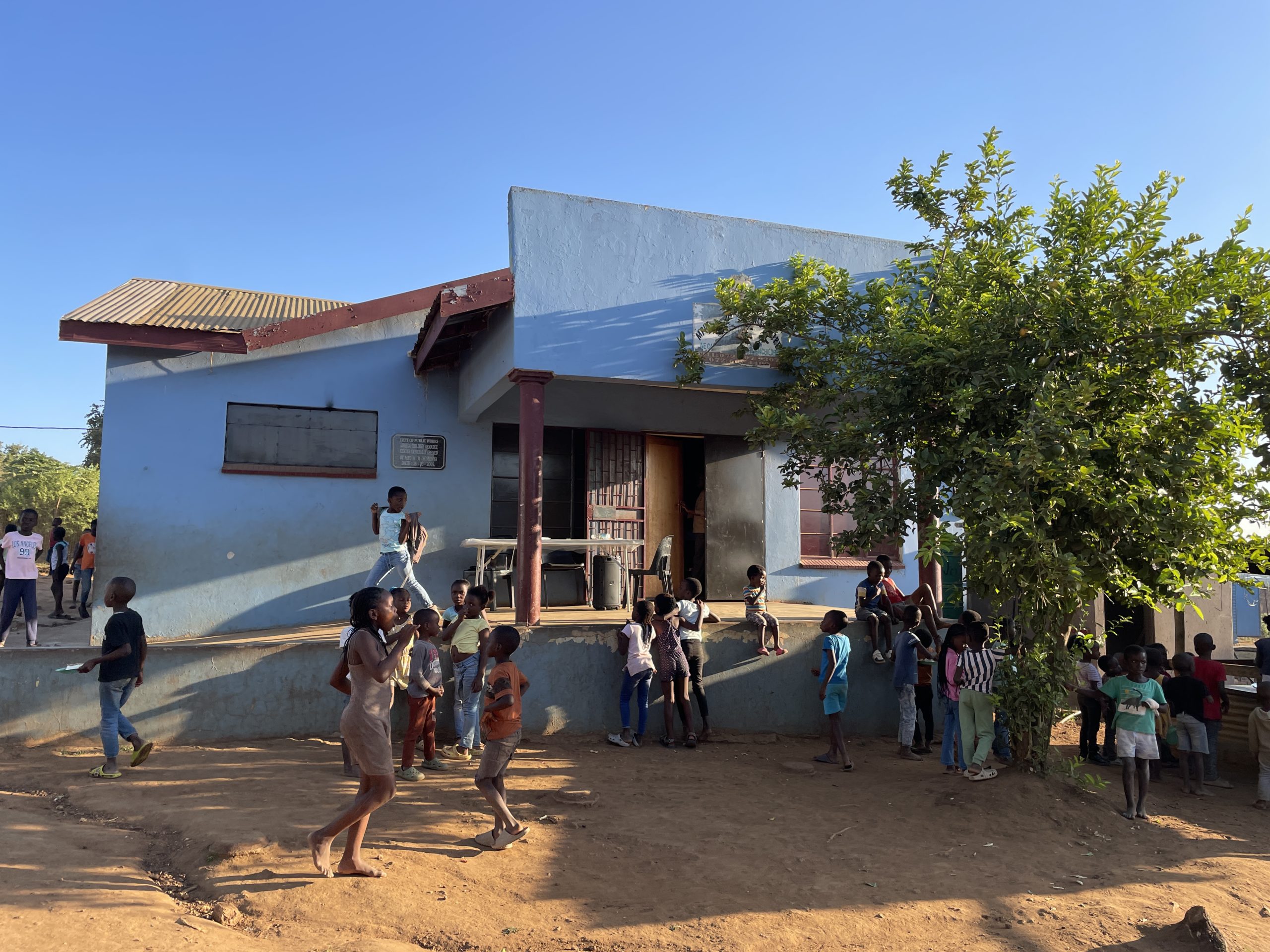
Mphego DIC
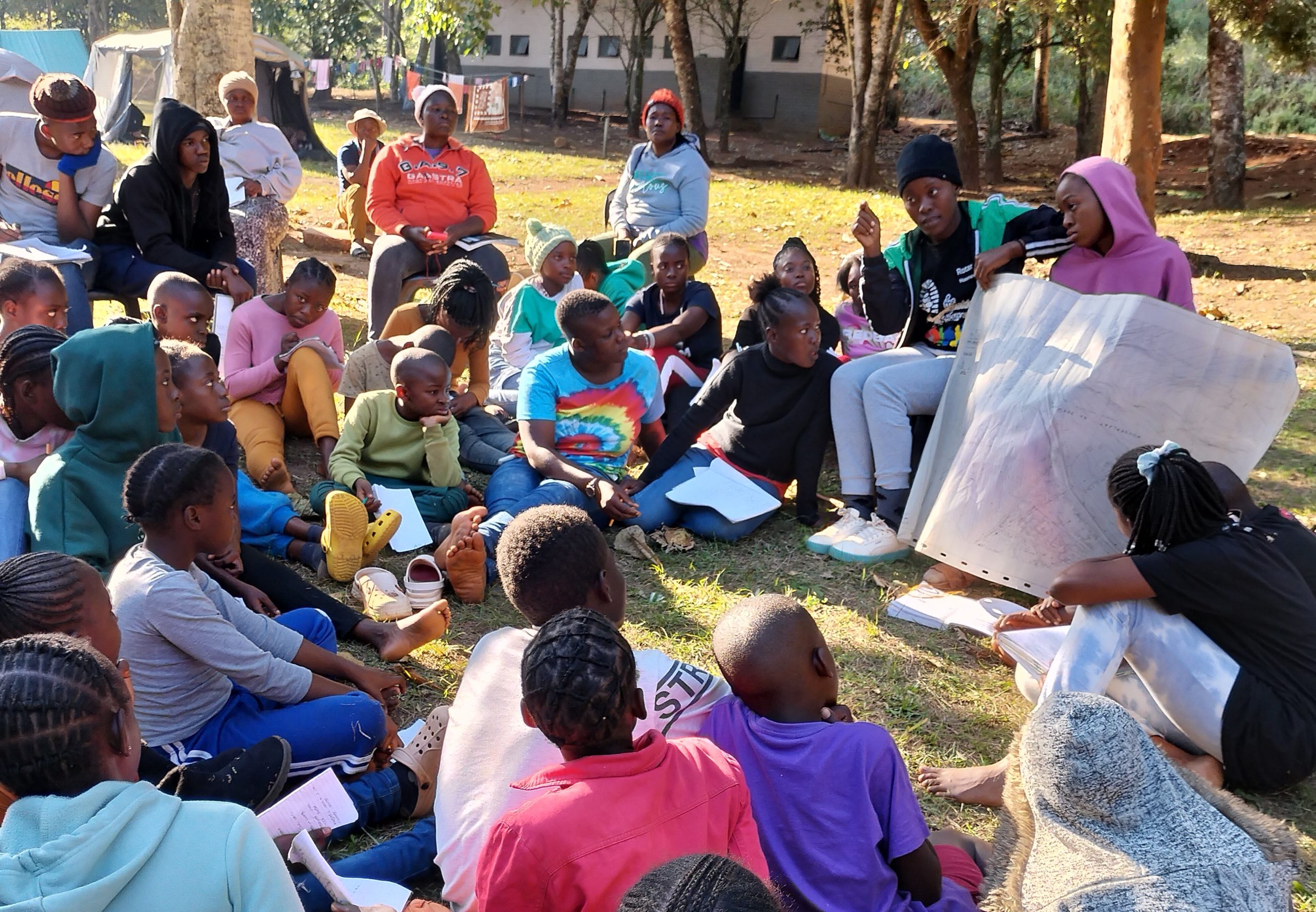
OVCs in leadership training camp
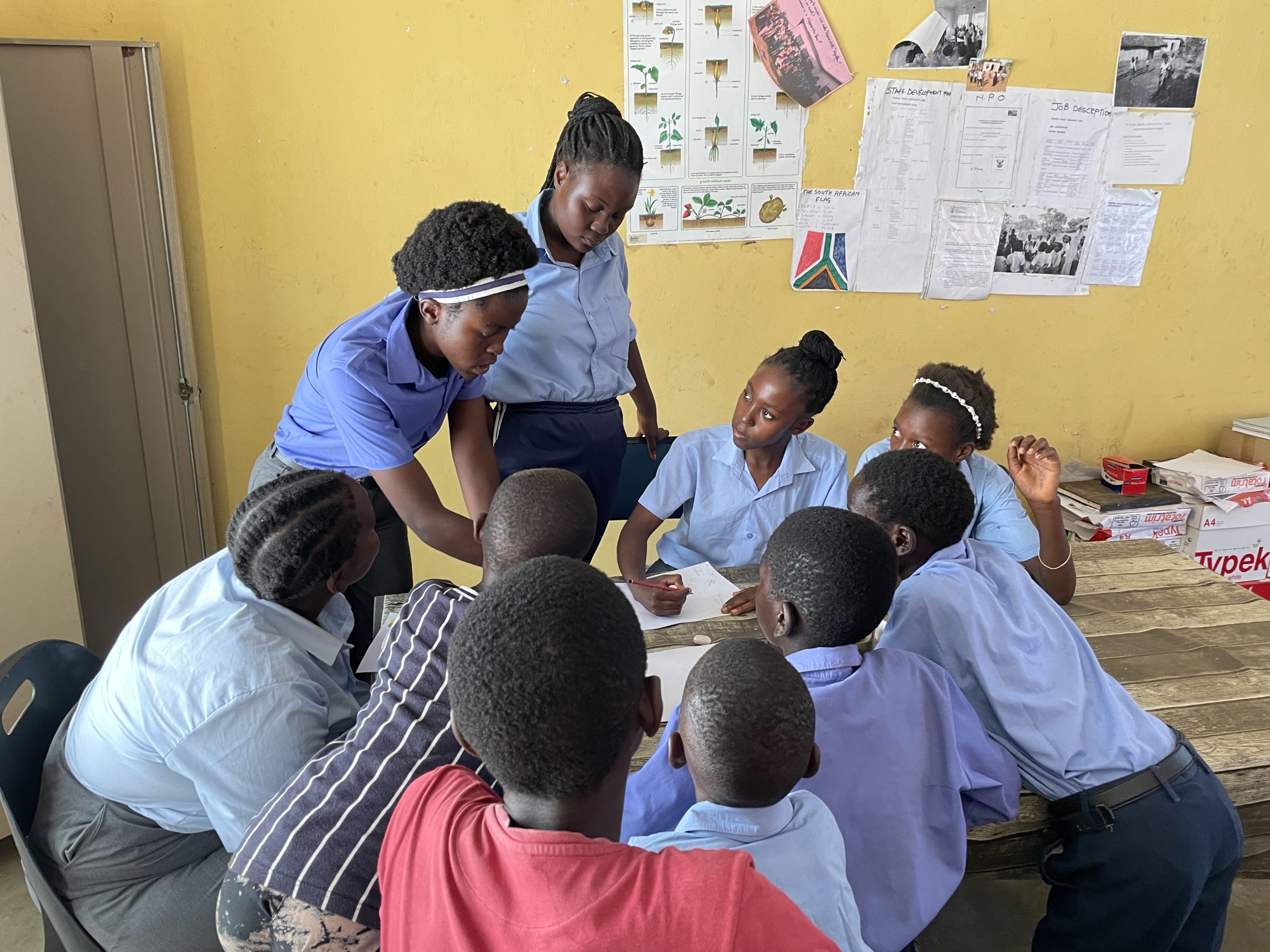
OVCs cooperating to draw a map
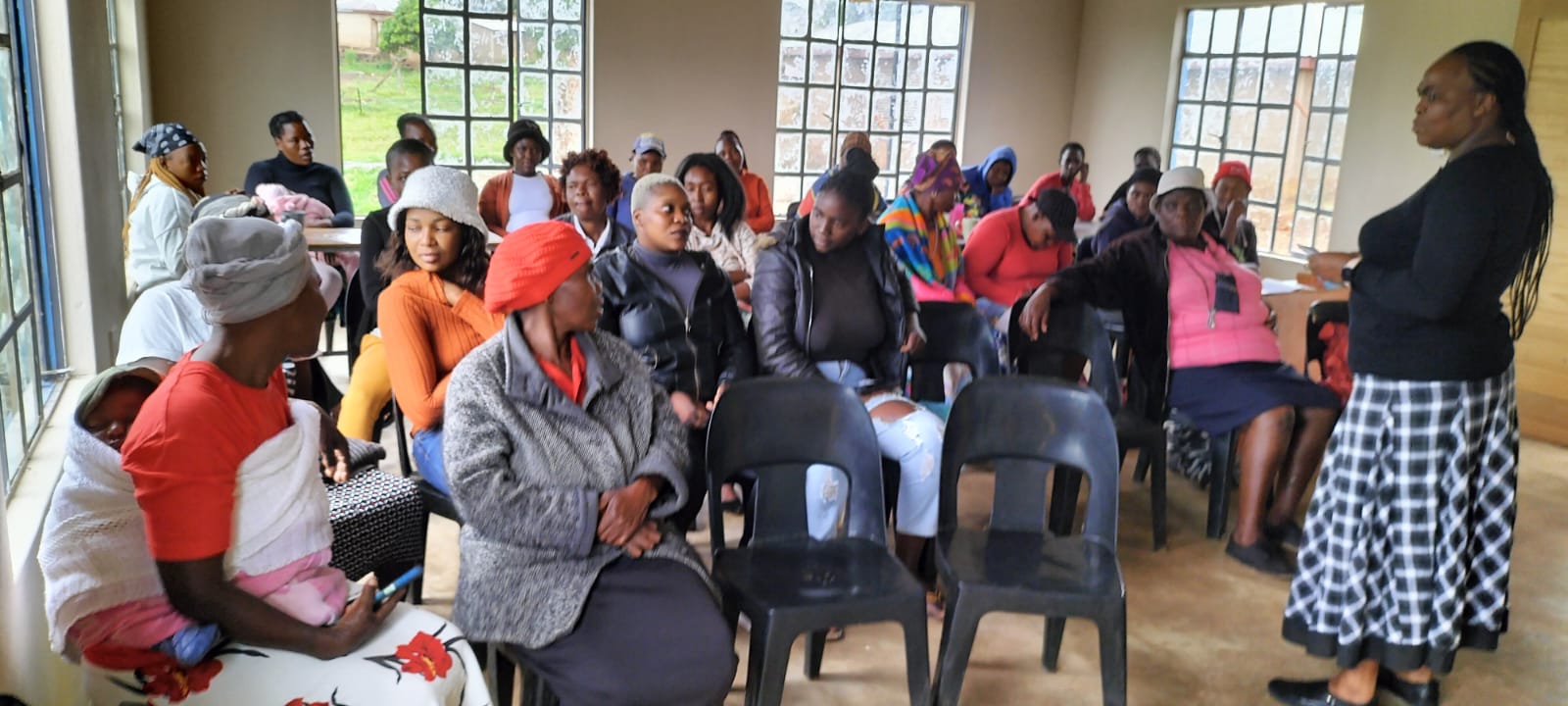
Parents in “Journey of Life” counseling training
Voices and Messages
Understanding children’s true needs
Charlotte Gidi, Manager of Mphego DIC
Through our work with JVC, we learned the importance of home visits. Not only do we get involved with OVCs at the DIC, but home visits also allow us to communicate with the parents and get to know what is going on at home. This helps identify what the children really struggle with. Not all children open up and share all stories, nor can we just take children’s claims at their word. It is important to get proactive to pick up on invisible issues and to keep secrets where needed. This is the kind of interaction with children I learned to have through JVC’s training.
Believing in people and leading them to the future
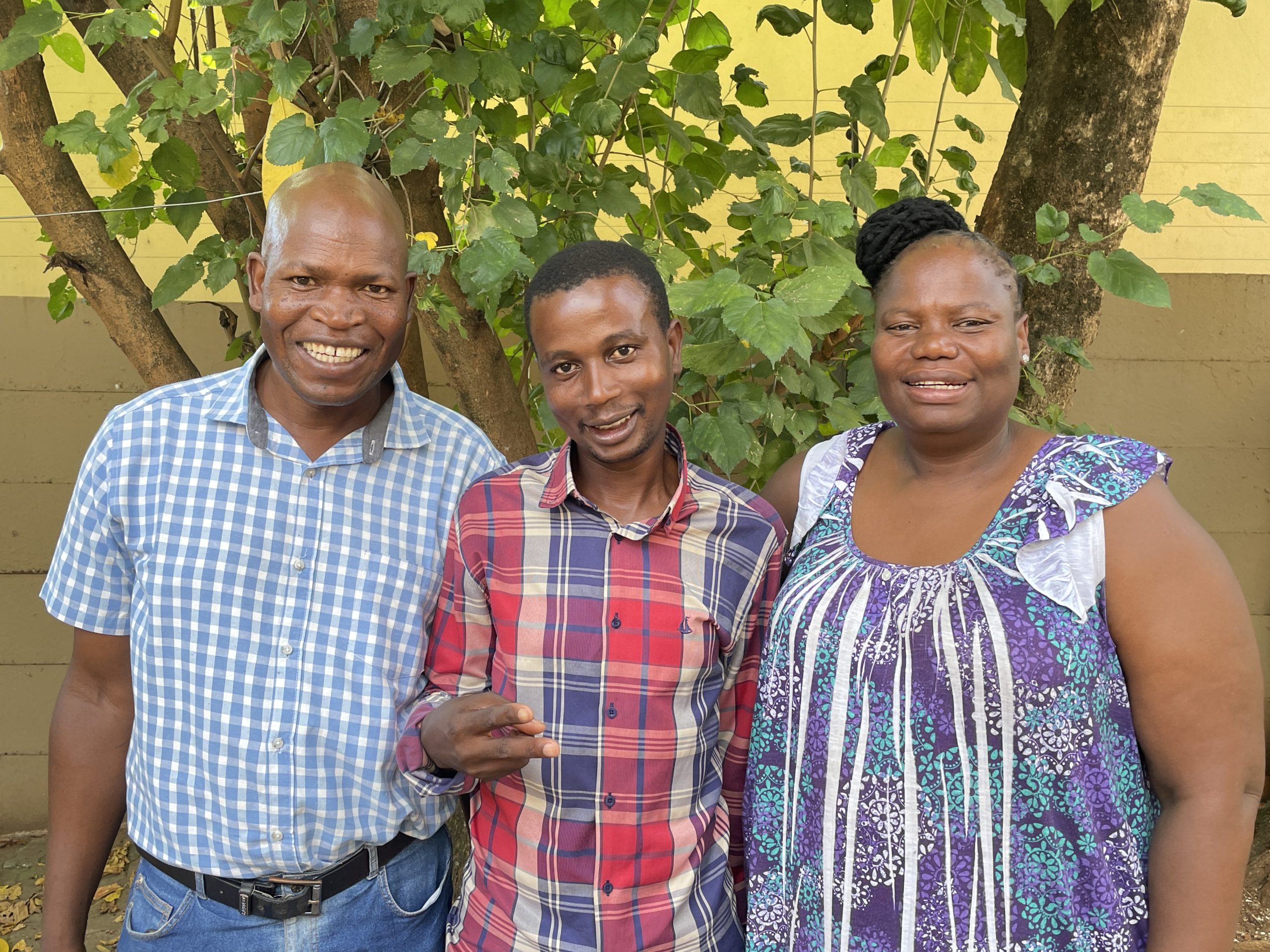
Duduzile “Dudu” Nkabinde, Project Coordinator
One of the most successful aspects of JVC’s work has been its limited scale of funding for sustainability purposes. Funding is naturally the basis of all activities; however, there are many cases where beneficiaries become so reliant on funding that their activities collapse as soon as they no longer receive it. At Mphego DIC, JVC has been able to create an environment where people truly understand the significance of the activities, where children gather even when there is no lunch, and care volunteers conduct the activities without any allowances. Given that the Department of Social Development often fails to provide funding, locals in Mphego have learned to maintain the activities through JVC training. To provide meals, for example, they grow vegetables in the DIC garden and gather food donations.
The author : Right


