
[Original (September 26, 2025); Translated by K. Tanimoto/J. Santiago]
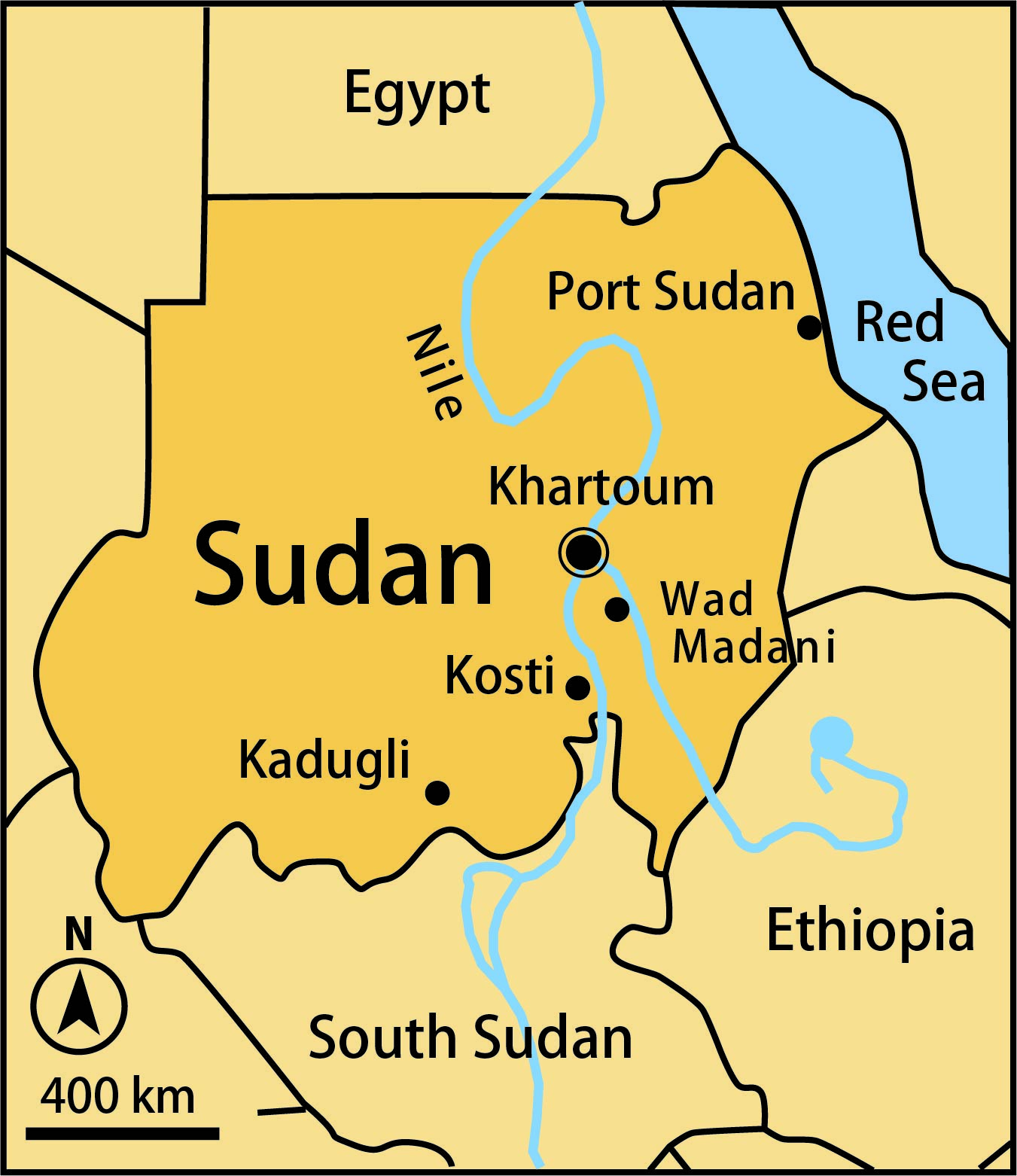
Armed conflicts between the Sudanese Armed Forces (SAF) and the Rapid Support Forces (RSF), which broke out in the capital Khartoum in April 2023, continues to this day. The devastation caused by the conflict has spread rapidly throughout Sudan. According to the report of the United Nations Office for the Coordination of Humanitarian Affairs (UNOCHA), as of September 2025, approximately 9 million people have been internally displaced. In addition, approximately 3 million people have fled the country, creating one of the world’s largest displacement crises. This massive displacement has become a significant burden not only for those who are displaced, but also for the receiving host communities.
By being relatively distant from the conflict zones, the Red Sea State has accepted more than 250,000 internally displaced persons. Over 75% of them are taken in by local residents (relatives and acquaintances), while the remaining people live in schools, public facilities, and makeshift tents. Currently, there are 73 displacement gathering sites established throughout the Red Sea State.
However, the Red Sea State isn’t very suitable for the livelihood of the displaced persons due to an unstable natural environment, and high poverty rates. The Beja people (an ethnic minority living in the Red Sea State), who have traditionally engaged in agriculture and livestock farming, have survived droughts and famines by using flexible cultivation methods. Unfortunately, their livelihood has been severely damaged by the discriminatory policies from the central government. As a result, they have been forced to rely on unsustainable charcoal production.
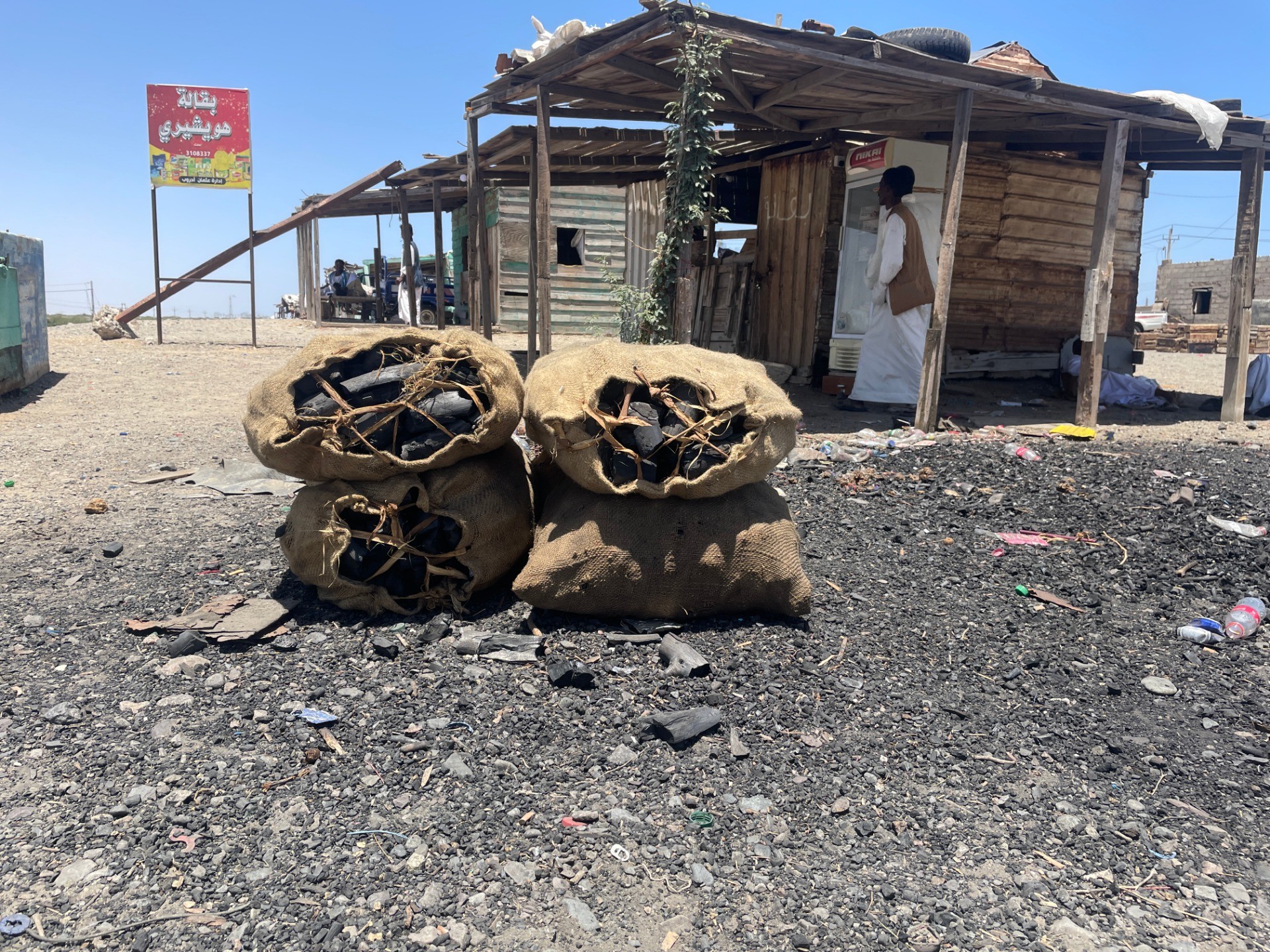
One sack of charcoal sells for 40,000 SDG (approximately 2,468 yen)
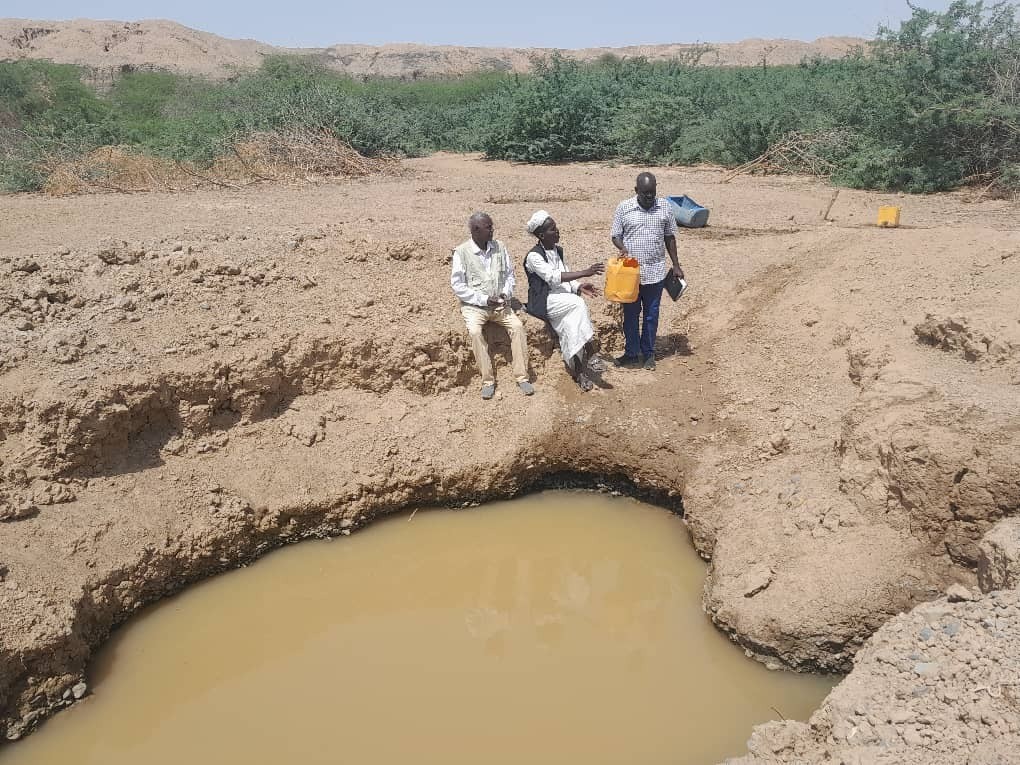
Securing clean water is an urgent issue in Port Sudan. JVC plans to provide water supply facility support.
The condition of the Hoshiri District is another example of the unsuitability of the Red Sea State. Vast farmland once spread across the area, but now approximately 30% has been converted for industrial and administrative use. In terms of agricultural development, seed improvement and introduction of agricultural machinery have not progressed, so people must rely more on manual labor. Additionally, due to the impact of the fighting, prices across the board (including seed prices) have soared. Fishing also remains limited to traditional methods. However, there is potential to significantly increase productivity by incorporating new technologies. Although access to urban areas is good, vocational training for young people is insufficient, and employment opportunities are limited. Due to weak connections with markets, farmers and fishermen are easily exploited by middlemen. Women in particular have difficulty obtaining sales opportunities, making independence difficult.
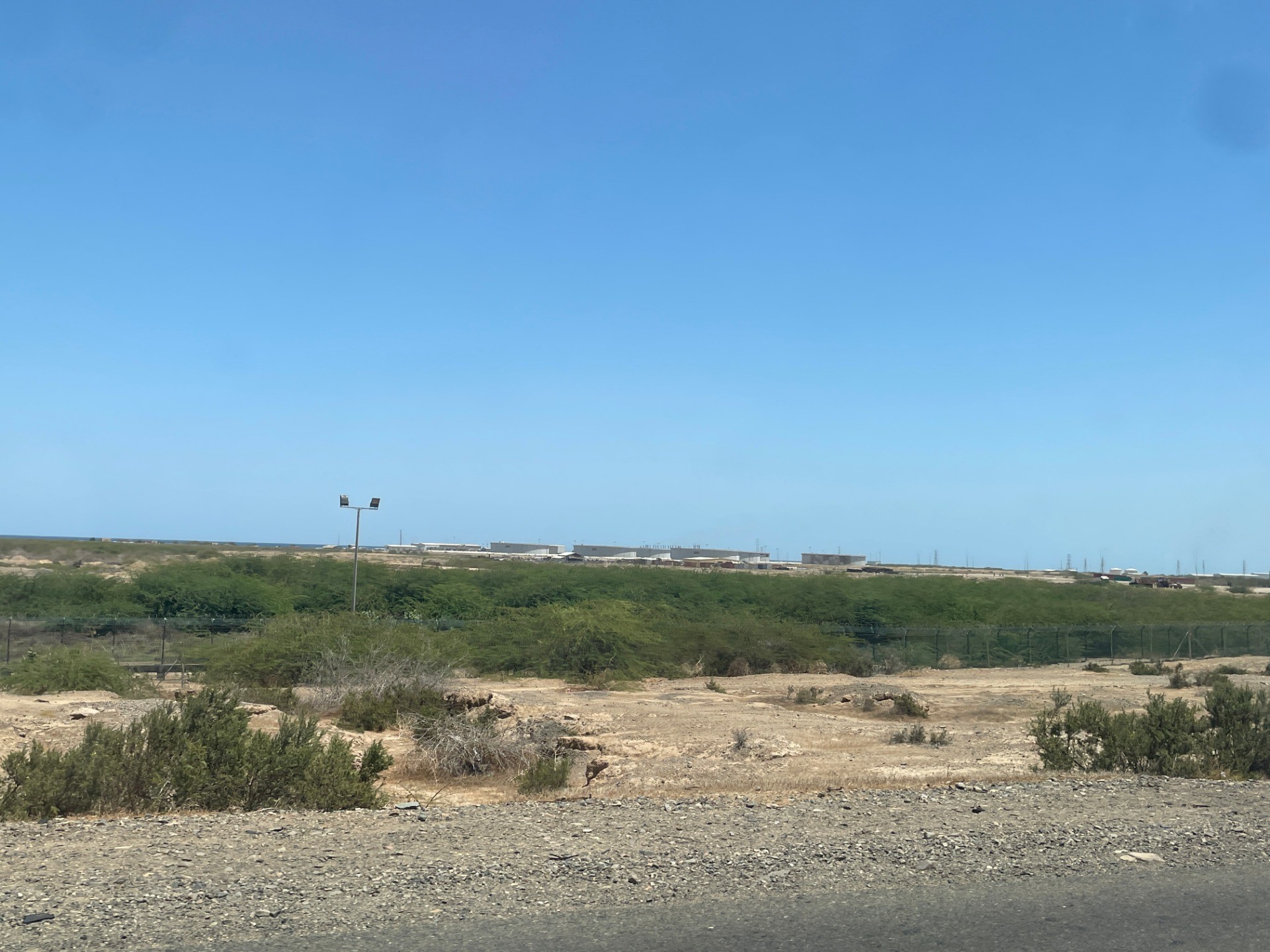
Land confiscated by oil companies
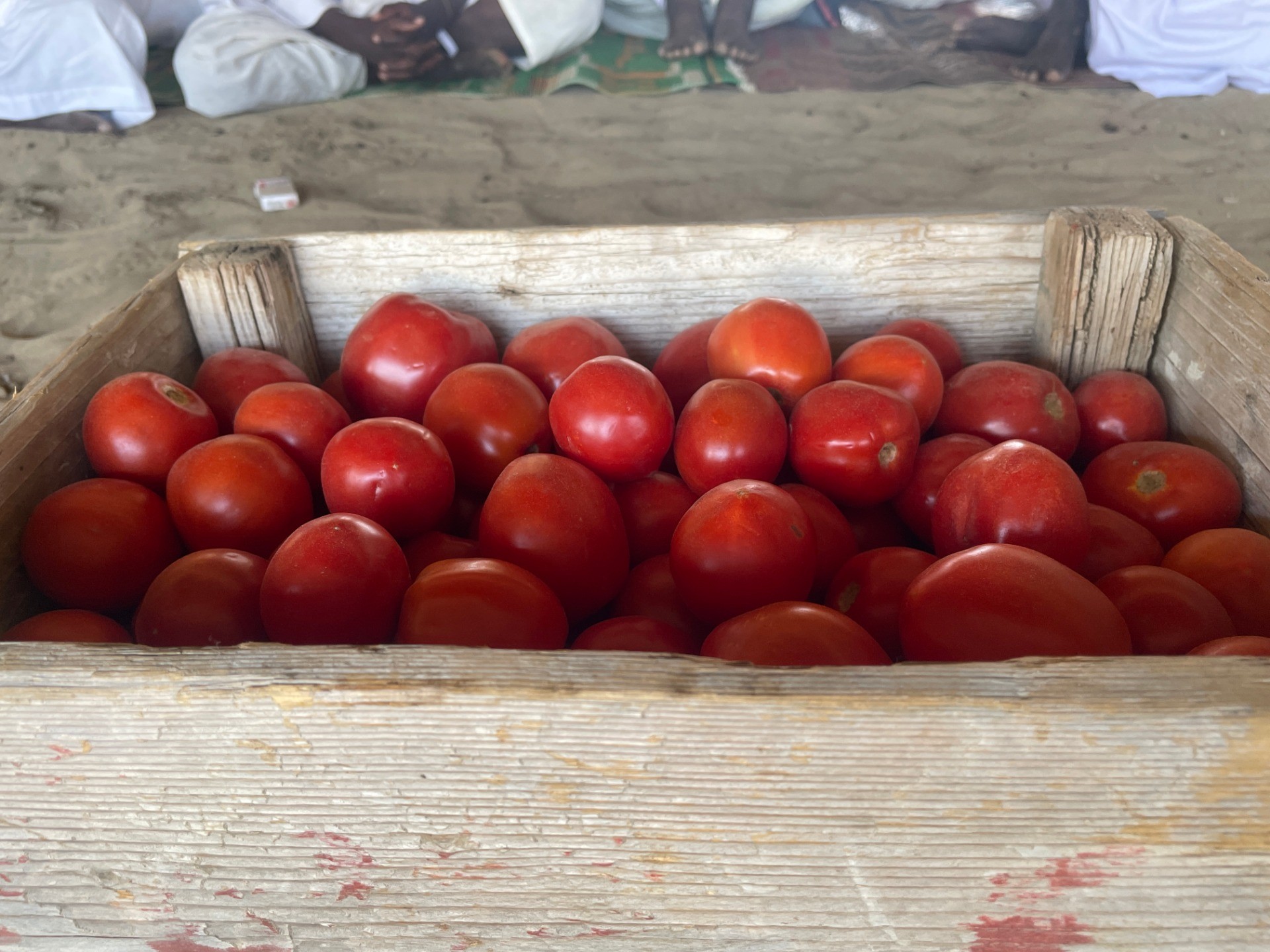
Tomatoes are sold to intermediaries for 10,000 SDG per box (approximately 617 yen), but are sold in markets for 30,000 SDG (approximately 1,851 yen
Therefore, JVC, in collaboration with a program implemented by United Nations Development Programme (UNDP) with support from the Japanese government, will carry out comprehensive activities to include agricultural and fishery support, vocational training, and infrastructure development in partnership with local organizations. JVC’s goal is to improve the current situation and support the urgent needs of the target areas. This new project also aims to strengthen the response capacity of residents through training. Providing assistance for people to sustain their livelihoods and improve their connection to markets will help reduce poverty in the affected areas, and lead to more sustainable and self-reliant living for all.
Activity Overview
Project name: Sustainable food security and livelihood improvement support for displaced persons and host communities.
Activity area: Hoshiri District, Port Sudan, Red Sea State, Sudan
Period: June 2025 – March 2026
Partner organization: Abuhadia Society for Women and Community Development (ASWCD)
Activity Details
(1) Agricultural and fishery support
Agricultural tools, fishing equipment, seeds, etc., will be distributed, and agricultural and fishery training will be conducted.
(2) Livestock support
With the aim of improving health and nutritional status, livestock will be distributed to target households, and training will be conducted.
(3) Vocational training
Vocational training suited to market needs will be conducted.
(4) Community infrastructure construction/repair
Through the construction/repair of important community infrastructure, emergency employment for young people will be created.
(5) Water supply facility support
With the aim of improving residents’ access to water in the target areas, new water supply facilities will be constructed, and existing ones will be repaired.
(6) Solar light installation
To protect the safety and security of women at night, solar streetlights will be installed.
(7) Community member training
With the aim of strengthening the capacity and autonomy of the community and local institutions, community committees will be organized and training will be conducted. By doing so, a foundation will be built to ensure that various voices of local residents are considered and reflected in community decision-making.
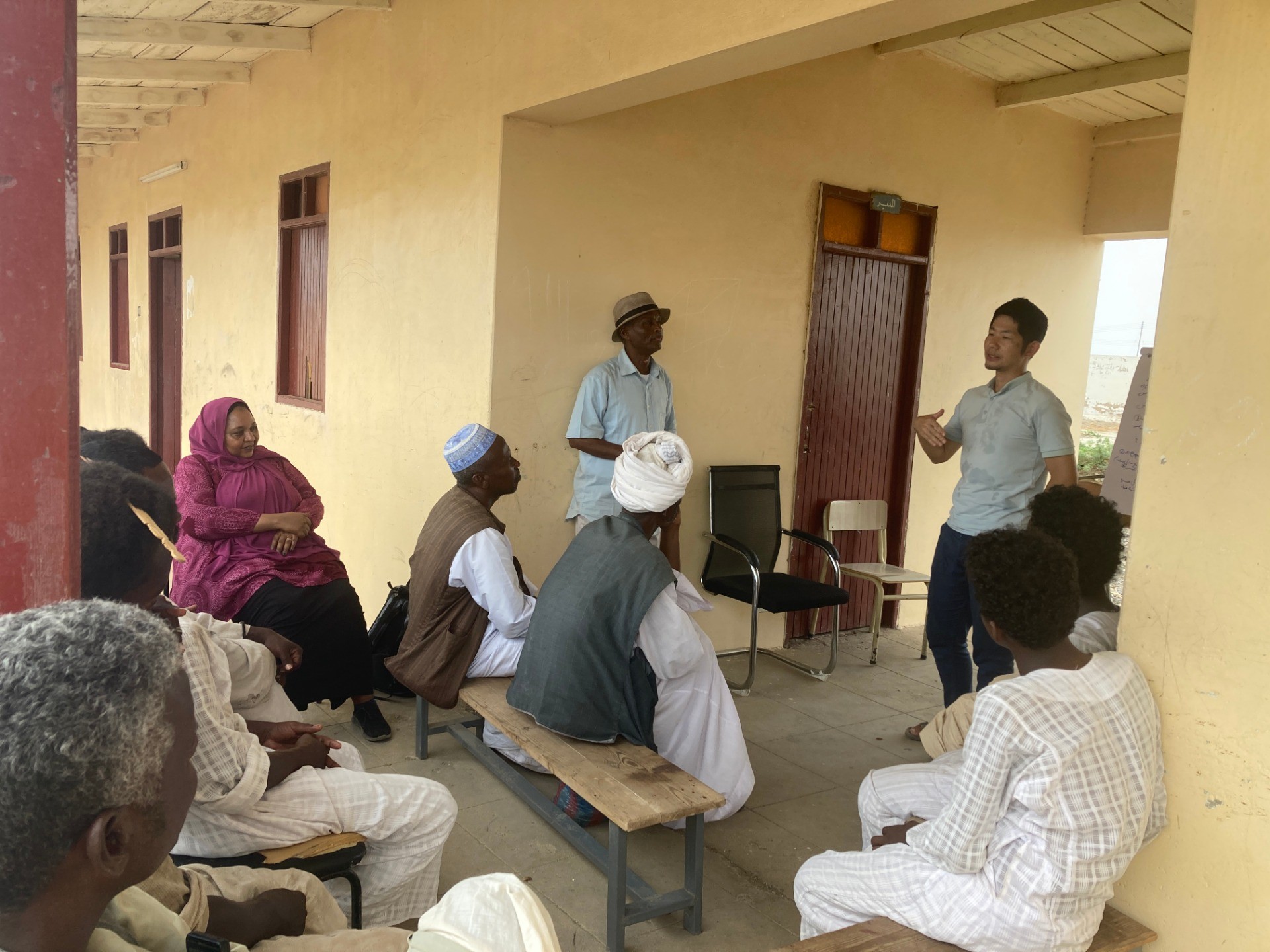
Community training session by partner organization ASWCD staff and JVC’s Imanaka
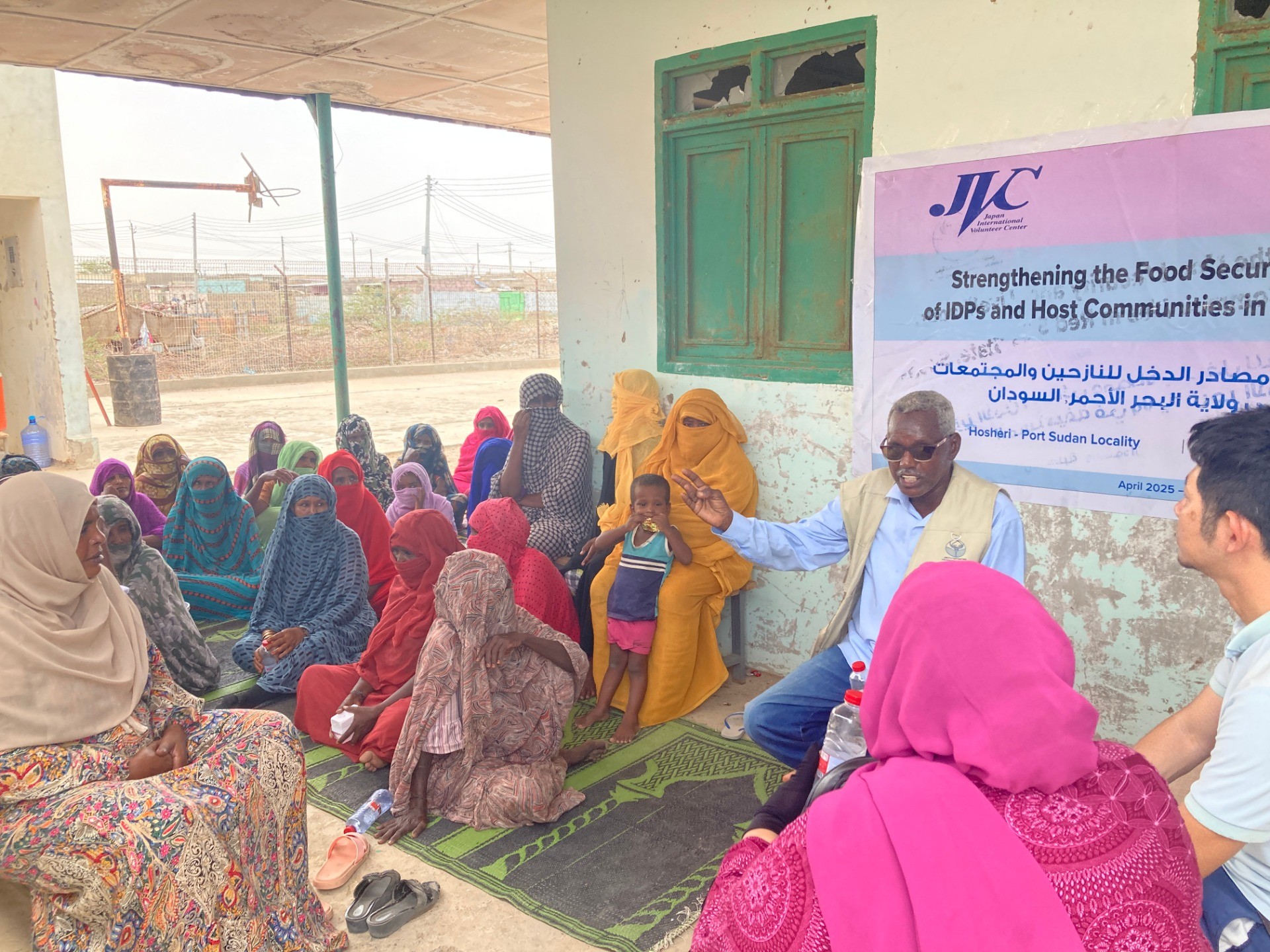
Community training session for women


